


ScienceDaily
sciencedaily.com › releases › 2012 › 01 › 120111103856.htm
Omega-3 fatty acids could prevent and treat nerve damage, research suggests | ScienceDaily
June 25, 2026 - Omega-3 fatty acids, which are found in fish oil, have the potential to protect nerves from injury and help them to regenerate, new research suggests.
PubMed
pubmed.ncbi.nlm.nih.gov › 26795198
Omega-3 Fatty Acids and their Role in Central Nervous ...
Checking your browser before accessing pubmed.ncbi.nlm.nih.gov · Click here if you are not automatically redirected after 5 seconds
PubMed
pubmed.ncbi.nlm.nih.gov › 18543124
Neurological benefits of omega-3 fatty acids
Checking your browser before accessing pubmed.ncbi.nlm.nih.gov · Click here if you are not automatically redirected after 5 seconds
Understanding Animal Research
understandinganimalresearch.org.uk › news › omega-3-fatty-acids-protect-against-nerve-damage
Omega-3 fatty acids protect against nerve damage :: Understanding Animal Research
Scientists have found that omega-3 fatty acids can help speed up recovery from nerve damage. Mice with high levels of the fatty acid showed higher resistance to nerve damage and faster recovery.
Lone Star Neurology
lonestarneurology.net › others › the-role-of-omega-3-fatty-acids-in-protecting-the-nervous-system
The Role of Omega-3 Fatty Acids in Protecting the Nervous ...
February 3, 2026 - This increases the risk of diseases like Alzheimer’s and depression. Omega-3 fatty acids, found in fish, flaxseeds, and walnuts, reduce inflammation. They protect the brain and support nervous system health.
PubMed Central
pmc.ncbi.nlm.nih.gov › articles › PMC5651013
Long-Chain Omega-3 Fatty Acids Supplementation Accelerates Nerve Regeneration and Prevents Neuropathic Pain Behavior in Mice - PMC
Fish oil (FO) is the main source ... anti-inflammatory properties. Peripheral nerve injury is driven by degeneration, neuroinflammation, and neuronal plasticity which results in neuropathic pain (NP) symptoms such as allodynia and hyperalgesia....
ScienceDirect
sciencedirect.com › science › article › pii › S0005273617301566
The role of Omega-3 and Omega-9 fatty acids for the treatment of neuropathic pain after neurotrauma - ScienceDirect
May 8, 2017 - Omega-3 polyunsaturated fatty acids (PUFAs), such as docosaexaenoic acid (DHA) and eicosapentaenoic acid (EPA), mediate neuroactive effects in experimental models of traumatic peripheral nerve and spinal cord injury.

AHA Journals
ahajournals.org › doi › 10.1161 › 01.hyp.0000145292.38579.f4
Omega-3 Fatty Acid Supplementation Augments Sympathetic Nerve Activity Responses to Physiological Stressors in Humans | Hypertension
We tested the hypothesis that omega-3 fatty acid supplementation (“fish oil”) would reduce muscle sympathetic nerve activity (MSNA) at rest and attenuate increases during physiological stressors.

NutraIngredients.com
nutraingredients.com › Article › 2012 › 01 › 16 › Omega-3-fatty-acids-may-prevent-and-treat-nerve-damage-Study
Omega-3 fatty acids may prevent and treat nerve damage: Study
March 18, 2017 - Omega-3 fatty acids could play an important role in preventing damage to nerves, and may help them to regenerate when damage does occur, according to new research in mice.
Oxford Academic
academic.oup.com › nutritionreviews › article-abstract › 78 › 4 › 323 › 5571403
Omega-3 polyunsaturated fatty acid oral supplements for improving peripheral nerve health: a systematic review and meta-analysis | Nutrition Reviews | Oxford Academic
April 1, 2020 - Pooled data showed a reduced incidence of peripheral neuropathy (RR = 0.58; 95%CI, 0.43–0.77) and a preservation of sensory nerve action potential amplitudes with omega-3 supplementation compared with placebo (MD = 4.19 µV; 95%CI; 2.19–6.19).
Warner Orthopedics
warnerorthopedics.com › home › blog › how does omega-3 reduce nerve pain?
How Does Omega-3 Reduce Nerve Pain?
June 25, 2023 - Omega-3s have anti-inflammatory properties, which can help to reduce pain and promote healing. Omega-3s may also help to protect nerve cells from damage. Studies have shown that omega-3s can help to prevent the death of nerve cells and improve ...
ScienceDirect
sciencedirect.com › science › article › abs › pii › S1056872720305924
Baseline omega-3 level is associated with nerve regeneration following 12-months of omega-3 nutrition therapy in patients with type 1 diabetes - ScienceDirect
November 26, 2020 - ... It has been well established ... From a neurologic perspective, n−3 PUFAs are essential for the development and maintenance of peripheral and central nerve structure and function.2,3 Diabetes is the most common cause ...

BioMed Central
bmcneurosci.biomedcentral.com › articles › 10.1186 › s12868-016-0312-5
The effect of omega-3 fatty acids on central nervous system remyelination in fat-1 mice | BMC Neuroscience | Full Text
January 24, 2017 - Hoare S, Lithander F, van der Mei I, Ponsonby AL, Lucas R. Higher intake of omega-3 polyunsaturated fatty acids is associated with a decreased risk of a first clinical diagnosis of central nervous system demyelination: Results from the Ausimmune ...
APA
apa.org › news › press › releases › 2009 › 12 › dha-omega
New study links DHA type of Omega-3 to better nervous-system function
December 16, 2009 - The key finding was that two omega-3 fatty acids – docosahexaenoic acid (DHA) and eicosapentaenoic acid (EPA) – appear to be most useful in the nervous system, maybe by maintaining nerve-cell membranes.
Omegor
omegor.com › homepage › nervous system › omega-3s protect and accelerate healing of peripheral nerves
Nervous System: Omega-3 for Regeneration after Trauma – Omegor.com
February 19, 2025 - Omega-3s could be valuable allies against peripheral nerve damage. Research on animal models and preliminary clinical studies suggest that these fats, known for their anti-inflammatory properties and importance in the nervous system, might even ...
Frontiers
frontiersin.org › journals › pharmacology › articles › 10.3389 › fphar.2017.00723 › full
Frontiers | Long-Chain Omega-3 Fatty Acids Supplementation Accelerates Nerve Regeneration and Prevents Neuropathic Pain Behavior in Mice
September 25, 2017 - Fish oil (FO) is the main source ... Peripheral nerve injury is driven by degeneration, neuroinflammation, and neuronal plasticity which results in neuropathic pain (NP) symptoms such as allodynia and hyperalgesia...
The Scientist
the-scientist.com › home › categories › omega-3s help heal nerves
Omega-3s Help Heal Nerves | The Scientist
January 18, 2012 - Omega-3 fatty acids, such as those found in fish oil, may have applications in preventing and healing from nerve injury, according to a new study in The Journal of Neuroscience.
BMJ Open
bmjopen.bmj.com › content › 8 › 3 › e020804
Omega-3 polyunsaturated fatty acid supplementation for improving peripheral nerve health: protocol for a systematic review | BMJ Open
March 1, 2018 - Preserving nerve integrity, to prevent progressive nerve damage, remains a clinical challenge. Omega-3 polyunsaturated fatty acids (PUFAs) are implicated in the development and maintenance of healthy nerves and may be beneficial for promoting peripheral nerve health.
Neuropathyresource
neuropathyresource.com › home › supplements & nutrition › omega-3 fatty acids and neuropathy: benefits, dosage, and evidence
Omega-3 for Neuropathy: Benefits, Dosage & Research (2026)
June 5, 2026 - EPA and DHA come primarily from fatty fish, while ALA comes from plant sources like flaxseed and walnuts. ... of polyunsaturated fatty acids in the brain are DHA — a key omega-3 that nerve cells need for proper membrane function
Queen Mary University of London
qmul.ac.uk › media › news › 2012 › smd › omega-3-fatty-acids-could-prevent-and-treat-nerve-damage-research-suggests.html
Omega-3 fatty acids could prevent and treat nerve damage, research suggests - Queen Mary University of London
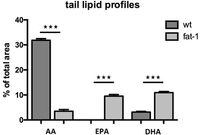
They found that a high level of omega-3 fatty acids helped mice to recover from sciatic nerve injury more quickly and more fully, and that their muscles were less likely to waste following nerve damage.